The work behind the invoice
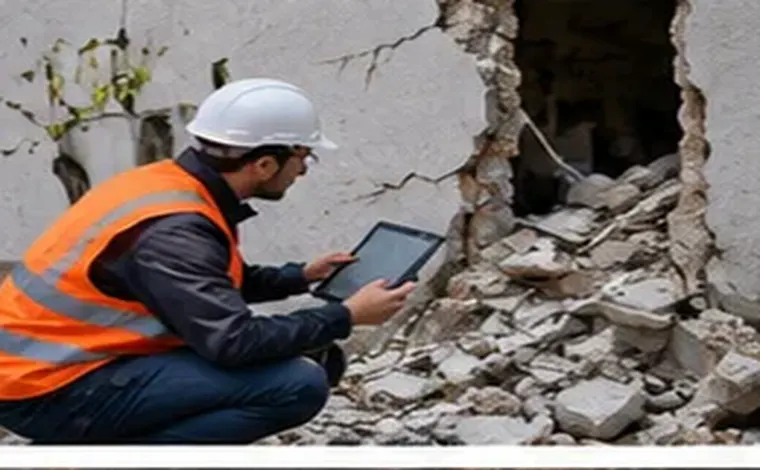
A building claim looks simple from the outside: something is damaged and needs repair. In practice, the assessor's fee pays for a sequence of tasks that can stretch over months. It starts with a reading of the policy schedule and wording, including the definitions of building, sudden damage, maintenance and any sub-limits. Then come one or more site inspections, photographs, moisture readings and notes on concealed damage.
The assessor then builds a costed scope of works, often with input from a builder, structural engineer or roof specialist, and compares it with the scope prepared by the insurer's builder or adjuster. The heaviest part of the job is usually the negotiation: responding to reports, arguing cause and scope, addressing code compliance upgrades and following the claim through to payment or completed repairs.
Indicative percentage bands in Australian dollars
There is no official or regulated fee schedule for policyholder loss assessors in Australia. The table below is an indicative order of magnitude observed in the market, not a legal scale. It shows the usual pattern: the percentage falls as the size of the claim rises, because the fixed workload is spread over a larger amount. Rates are generally quoted excluding GST.
| Assessed building damage (AUD) | Indicative fee range | Comment |
|---|---|---|
| Up to 50,000 | 10% to 15% | Minimum fees often apply; fixed-fee review may be offered |
| 50,001 to 150,000 | 8% to 12% | Typical for roof, water and storm repairs |
| 150,001 to 500,000 | 6% to 10% | Engineer input frequently required |
| 500,001 to 1,500,000 | 4% to 7% | Major repairs or partial rebuilds |
| 1,500,001 to 5,000,000 | 2.5% to 5% | Commercial and strata losses, rates negotiated |
| Over 5,000,000 | 1% to 3% | Bespoke terms, caps or staged fees common |
Indicative amounts, to be checked with each expert.
Ways an Australian assessor can bill you
The structure of the fee changes the final bill more than many people expect. Before comparing rates, identify which of these models is being proposed.
- Percentage of the total settlement: the most common model for building claims, applied to the whole amount the insurer pays
- Percentage of the uplift only: the fee applies to the difference between the insurer's initial offer and the final outcome
- Fixed fee: an agreed price for a defined scope, sometimes used for smaller or very predictable claims
- Hourly rates: common for consulting-only engagements, reviews of an insurer's scope, or expert reports
- Minimum fee: a floor that applies even if the percentage would produce a lower figure
- Disbursements: engineer, builder or hygienist reports, travel to regional areas and document costs, billed on top or included
Why the base of calculation matters
Suppose the insurer has already offered 80,000 AUD and the assessor helps achieve 110,000 AUD. A 10 percent fee on the total settlement is 11,000 AUD plus GST. A 25 percent fee on the uplift alone is 7,500 AUD plus GST. On a different file the comparison could swing the other way, so ask the firm to model its fee on your actual numbers before you sign.
Does your policy pay any of the cost?
Most home and contents policies in Australia do not reimburse the fees of an assessor you appoint yourself. The insurer pays for its own adjuster and builders, and expects you to bear your own advisory costs. Commercial property and industrial special risks policies are different: many include an extension for claims preparation costs, which can cover professional fees reasonably incurred to prepare and substantiate a claim.
Those extensions usually carry a dollar limit, may require the insurer's prior consent and may exclude fees for disputing the insurer's position. Read the exact wording, and ask the assessor to explain how their invoice would fit within it.
How the cost scales from minor to major damage
On a minor claim, say storm damage to a fence and a few square metres of ceiling worth about 15,000 AUD, a percentage fee of 12 to 15 percent produces roughly 1,800 to 2,250 AUD before GST. Many assessors will decline claims at this size, or suggest a fixed-fee review instead.
For a mid-sized claim, such as a roof replacement with internal water damage valued at 120,000 AUD, an indicative 8 to 10 percent band suggests 9,600 to 12,000 AUD before GST. The fee is significant but can be justified if the insurer's initial scope left out areas of damage or compliance work.
For a major loss, for example a structural collapse affecting a commercial building with a claim of 2,000,000 AUD, a negotiated rate of perhaps 3 to 4 percent would mean 60,000 to 80,000 AUD before GST. At this level, rates are almost always negotiated case by case, and staged or capped fees are common.
Timing of payment and GST on the invoice
Most percentage-based assessors are paid when the insurer pays, either through a direction to pay that you sign so the fee is deducted from the settlement, or through an invoice issued once funds reach you. Read any direction to pay carefully: it should state the exact percentage and base, and it should not allow the firm to receive the whole settlement into its own account without your control.
Where the insurer elects to repair rather than pay cash, the engagement letter must explain how the fee is calculated, since no settlement cheque will pass through your hands. Some firms value the repair works and apply their percentage to that figure, others switch to a fixed fee. GST of 10 percent is normally added to the fee. A business registered for GST can usually claim an input tax credit, which lowers the net cost, while a homeowner bears the full amount.
Factors that push the price up or down
Complexity weighs more than size alone. Heritage-listed buildings, strata schemes with many owners, disputes about cause of damage, long-term water ingress, asbestos and remote locations all increase workload. A clear-cut claim where the insurer accepts liability and only quantum is in question is usually priced lower than one where the insurer has declined cover.
Comparing firms and reading the engagement letter
Ask each firm to provide the same information so you can compare like with like. Treat any guarantee of a specific settlement figure as a warning sign: no honest assessor can promise what the insurer will pay.
- Licence details and confirmation they can lawfully handle claims on your behalf
- Exact fee base, rate, minimum fee, GST and disbursements
- What happens to the fee if you end the engagement early or the claim is declined
- Whether they take an assignment of payment or invoice you directly
- Who will actually do the work and their experience with building claims
- Any cooling-off period and how to terminate
Organisations offering this service
- Australian Financial Complaints Authority (AFCA): Independent and free Australian external dispute resolution body handling consumer complaints against insurers, including disputes over declined or delayed insurance claims.
- Australasian Institute of Chartered Loss Adjusters (AICLA): Professional institute representing loss adjusters across Australia and New Zealand, with qualified members and dedicated training for the profession.
- La Médiation de l'Assurance: Mediation service for the French insurance sector, publishing a mediator charter and an annual activity report on its handling of disputes.
- Expert Witness Institute - Medical expert witness services: Page of the UK expert witness institute dedicated to medical expert witness services, aimed at clinicians acting as experts in legal cases.
External links provided for information only; check the terms directly with each organisation.
Frequently asked questions
Are assessor fees in Australia regulated?
There is no official fee scale. Licensing and conduct obligations apply to claims handling, but the price is agreed between you and the firm. Bands seen on the market are only indicative.
Is GST charged on top of the percentage?
Usually yes. Most firms quote fees excluding GST, which adds 10 percent to the invoice. Businesses registered for GST may be able to claim it back.
Can I pay a fixed fee instead of a percentage?
Many firms will consider it for smaller or well-defined claims, or for a one-off review of the insurer's scope of works. Ask what is included and what triggers extra charges.
Will my home insurer reimburse the assessor?
Rarely. Home policies generally do not cover your own advisers. Commercial policies more often include a claims preparation costs extension, subject to limits and conditions.
A fair assessor fee is one you understand fully before work begins, calculated on a clear base and proportionate to the value added. Compare written proposals, and use expertdassure.com to check how fees are structured for other perils.