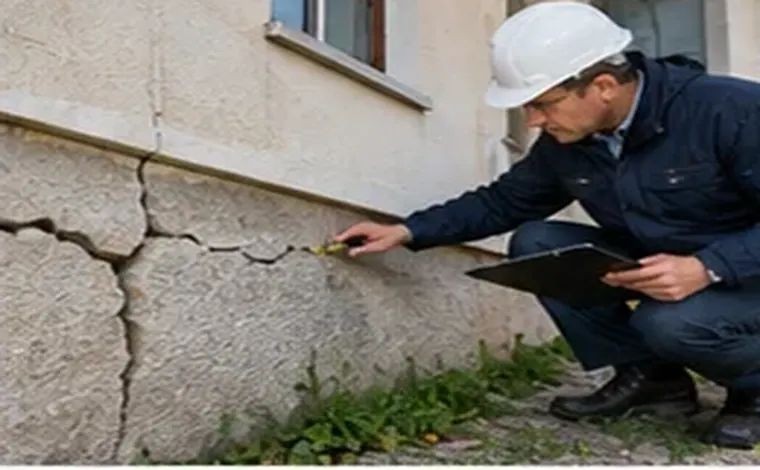
What makes catastrophe claims different
Natural disaster claims combine severe damage with unusual pressure on everyone involved. Insurers deploy temporary adjusters, contractors are scarce and prices for materials and labour can rise sharply. Coverage is also more complex: flood, earthquake and storm surge are often excluded or insured separately, and the definition of each peril in your policy can determine whether damage is covered at all.
In the US, residential flood cover is commonly bought through the National Flood Insurance Program or private flood policies, separate from home insurance. In Canada, overland flood is often an optional endorsement. The UK has Flood Re, which helps make flood cover available for eligible homes. In Australia, bushfire, storm and flood claims after major events are a recurrent issue, and disputes can be taken to AFCA. An expert's work begins with mapping which policy covers which part of the damage.
The tasks behind the fee
Concurrent causation, where two perils contribute to the same damage, is often the most time-consuming element and has a direct impact on the outcome.
- Reviewing all relevant policies, including separate flood or earthquake cover, and their definitions.
- Documenting damage quickly before cleanup removes evidence.
- Pricing repairs at post-event costs rather than pre-event estimates.
- Separating damage by cause, for example wind versus flood water.
- Claiming additional living expenses or alternative accommodation, and debris removal.
- Negotiating with adjusters who may be handling hundreds of files.
| Claim settlement | Indicative fee range | Typical disaster scenario |
|---|---|---|
| Up to 25,000 | 10 % to 15 % | Fences, outbuildings, minor roof or water ingress |
| 25,001 to 50,000 | 9 % to 12 % | Partial flooding, storm damage to roof and interiors |
| 50,001 to 100,000 | 8 % to 10 % | Ground-floor flood, significant wind damage |
| 100,001 to 250,000 | 6 % to 9 % | Major flood or hurricane repairs with living costs |
| 250,001 to 500,000 | 5 % to 7 % | Extensive rebuild, earthquake structural damage |
| 500,001 to 1,000,000 | 3.5 % to 6 % | Total loss from wildfire or bushfire |
| 1,000,001 to 5,000,000 | 2 % to 4 % | Commercial premises, multi-unit buildings |
| Over 5,000,000 | 1 % to 2.5 %, negotiated | Large commercial or portfolio losses |
Indicative amounts, to be checked with each expert.
Indicative fees and emergency caps
The table gives an indicative order of magnitude observed on the market for contingency fees on catastrophe claims, applied in local currency. It is not an official scale, and fee levels can rise or fall after major events depending on demand and local rules.
Some US states limit public adjuster fees on claims arising from a declared emergency, typically for a defined period after the event, and Florida is among the best-known examples. These caps change over time and by state, so verify the current rule with the state insurance department. Elsewhere, governments and regulators sometimes issue warnings about unlicensed operators following disasters.
Fee structures used in disaster zones
Percentage of the settlement remains the dominant model. Variants include excluding any advance payment made before the expert was appointed, charging only on the improvement over an existing offer, or applying a lower percentage to a separate flood policy that settles on a more formulaic basis. Some experts offer hourly or fixed-fee reviews of settlement offers, which can be useful if you have already done most of the work yourself. Expect taxes such as VAT, GST or HST where applicable.
Policy reimbursement of your expert's fees
Household and flood policies generally do not pay for an expert you appoint. Under the US federal flood program in particular, public adjuster fees are not reimbursed. Building policies may pay professional fees connected with reinstatement, debris removal and compliance with updated building codes, which is distinct from the cost of your own expert.
Businesses should look for a claims preparation costs extension, which may contribute within a limit, especially to accountants preparing a business interruption claim. After a regional catastrophe, insurers sometimes publish specific claims procedures; check whether they affect deadlines or documentation.
Estimating the cost on three disaster claims
Wind-damaged fence and garden shed settled at 7,000: even at 15 % the fee of 1,050 plus minimum charges may outweigh any gain. Handling it yourself is usually sensible.
Flood affecting the ground floor of a house, insurer offer 60,000, final settlement 85,000 once hidden damage to floors and walls is documented. At 10 % of the total, the fee is 8,500; at 20 % of the 25,000 increase, it is 5,000.
Wildfire destroying a house and contents, with a year of temporary housing, settled at 750,000. At 4.5 % the fee is 33,750. On such losses, careful contents valuation and rebuild costing can move the outcome substantially. Figures are illustrative and not offers.
Contracts signed in a crisis: what to check
After a disaster, door-to-door solicitation by adjusters and contractors is common. Take the time to read any document before signing, even if you feel overwhelmed.
- Licensing status and whether the person is local or travelling from out of area.
- The rate, the base and any exclusions for advances or offers already received.
- Whether the rate complies with any emergency cap in your state or region.
- Cancellation rights and fees payable if you cancel.
- Whether the expert is linked to a contractor, which may create a conflict of interest.
Choosing well when everyone is busy
Experience with catastrophe claims and with your specific peril is more important than a low headline rate. Ask how many files the expert is managing, who will be your point of contact and how quickly they can inspect. Be wary of guarantees, requests for upfront fees on a contingency deal and suggestions to attribute damage to a covered peril without evidence. A sound expert will be clear about what can and cannot be claimed.
Organisations offering this service
- Chartered Institute of Loss Adjusters (CILA): Chartered UK professional body for claims and loss adjusting professionals, responsible for training, qualifications and standards across the claims profession.
- Aspray: UK network of loss assessors handling and negotiating insurance claims on behalf of policyholders, notably after fire, flood and escape-of-water damage.
- Financial Ombudsman Service: Official free dispute resolution service in the United Kingdom, handling complaints from policyholders against insurers, including disputed or rejected insurance claims.
- Adjusters International: US network of public adjusting firms representing policyholders, businesses and public entities in the settlement of significant property insurance claims.
External links provided for information only; check the terms directly with each organisation.
Frequently asked questions
Are public adjuster fees limited after a disaster?
In some US states, yes, typically for claims arising from a declared emergency within a defined period. Rules differ and change, so check with your state insurance department.
Does the flood insurance program pay my adjuster?
No. Under the US federal flood program, the fees of a public adjuster you hire are your responsibility.
Should I wait before hiring an expert?
You can take a few days to compare offers, but document damage immediately and meet any policy deadlines for notification and proof of loss.
What if wind and flood both caused damage?
Separating the causes is often decisive. An expert can help document which damage stems from which peril and which policy applies.
In a catastrophe, a clear contract and a licensed, experienced expert matter more than a quick signature. expertdassure.com advises checking emergency fee rules and comparing proposals before committing.