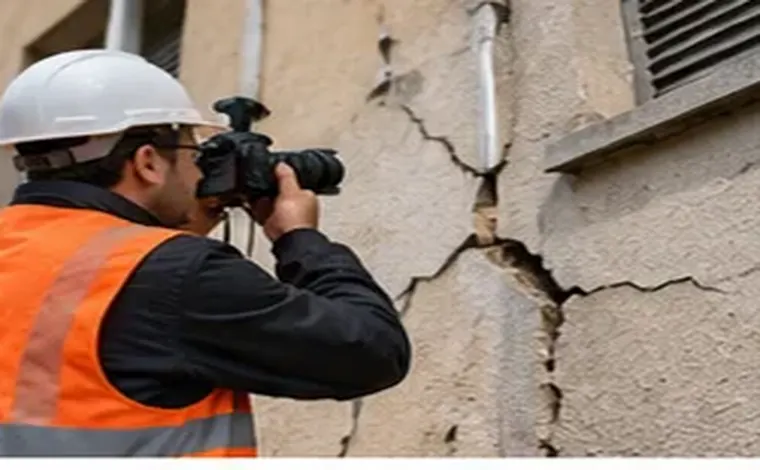
Why art and antiques claims are a specialist field
A standard home claim is priced against the cost of rebuilding or replacing like for like. A work of art or an antique has no true replacement: each piece is unique, and its value depends on attribution, condition, rarity, exhibition history and the state of the market at the date of loss. Two apparently similar objects can differ in value by a factor of ten.
For that reason insurers in the UK, the US, Canada, Australia and Ireland usually bring in a specialist loss adjuster with fine art experience, supported by independent valuers, conservators or auction-house specialists. The policyholder is entitled to their own expert as well, and in higher-value claims that balance often matters.
Who is involved on each side
On the insurer’s side you will typically meet a loss adjuster, who manages the claim and reports to the insurer, and one or more valuers or conservators instructed by the adjuster. Their findings are professional, but they are commissioned by the party paying the claim.
On your side, a loss assessor (UK and Ireland) or public adjuster (US and parts of Canada) can prepare and negotiate the claim, while an independent art valuer or accredited appraiser documents value. Some collectors also ask their own conservator to give a second opinion on whether restoration is realistic.
- Loss adjuster: appointed by the insurer to investigate and quantify the loss
- Loss assessor or public adjuster: appointed and paid by the policyholder
- Independent valuer or appraiser: assesses market or replacement value
- Conservator or restorer: advises on feasibility, cost and residual damage
From first notification to the valuation report
The first hours count. Move undamaged pieces away from the source of damage, keep fragments, avoid amateur cleaning and photograph everything before anything is touched. Notify the insurer promptly; most policies require it, and delay can be used to question the claim.
The adjuster will usually inspect the objects, often with a conservator, and ask for the schedule of insured items, past valuations and purchase records. A condition report is then drawn up, followed by a restoration estimate or, where the piece is beyond repair, a valuation of the loss. For theft, police reporting and registration with a stolen art database are normally expected.
The evidence that makes or breaks the claim
Insurers settle on documents, not on recollections. The stronger the paper trail, the less room there is for a low offer based on assumptions.
- Invoices, auction receipts and bills of sale, ideally with lot descriptions
- Recent valuations for insurance, with the valuer’s methodology and date
- Provenance records, certificates, catalogue entries and exhibition history
- Dated photographs showing condition, signatures, marks and labels
- Prior condition and conservation reports
- For theft: police report, crime reference number and security details
Repair, total loss or depreciation: how the figure is built
The core question is whether the object can be restored and what it is worth afterwards. A skilled conservator may make a damaged canvas look intact, yet a restored work often sells for less than an untouched one. Many fine art policies cover this loss of value, sometimes called depreciation or diminution in value, in addition to restoration costs, but the cover and any limit depend on the wording.
If restoration is impossible or uneconomic, the claim becomes a total loss. The settlement then depends on the policy basis: an agreed value policy pays the scheduled figure, while an unvalued policy pays market value at the date of loss, which must be proven with comparables. Pairs and sets raise a separate issue: losing one of a pair of candlesticks can reduce the value of the survivor, and some policies address this explicitly.
Where disputes with insurers typically arise
Disagreement is common in this field because value is a matter of expert judgement. The points below come up again and again.
- Outdated valuations leading to an allegation of underinsurance and a proportional reduction
- Choice of comparable sales: a weak auction result used to argue a low market value
- Restorer selection: insurer-preferred studios versus a specialist the owner trusts
- Refusal to recognise loss of value after restoration
- Exclusions for gradual deterioration, inherent vice, pests or climatic damage
- Questions over attribution or authenticity raised after the loss
When a policyholder’s expert is worth calling in
Not every chipped figurine needs outside help. A policyholder’s expert becomes useful when the loss is substantial, when the insurer disputes value or authenticity, when several objects are affected, or when restoration and depreciation have to be argued together. They can commission an independent valuation, challenge the comparables chosen by the other side and negotiate the final figure.
In the US, many property policies contain an appraisal clause allowing each side to appoint an appraiser, with an umpire deciding differences on the amount of loss. Elsewhere, a negotiated settlement is the usual route, with the Financial Ombudsman Service in the UK, the Financial Services and Pensions Ombudsman in Ireland or AFCA in Australia available if the complaint cannot be resolved with the insurer.
Practical safeguards before any loss occurs
Revalue significant pieces regularly, keep digital copies of documents off site and check whether your policy is on an agreed value basis. Ask how loss of value after restoration is treated and whether you may choose your own conservator. These checks cost little and remove much of the uncertainty when a claim arises.
Organisations offering this service
- Union Française des Experts (UFE): French professional union bringing together experts specialised in works of art, antiques and collectibles, available to private owners and professionals.
- Compagnie d'Expertise en Antiquités et Objets d'Art (CEA): French company of experts in antiques and works of art that publishes an annual activity report and gathers specialists across artistic disciplines.
- Chambre Nationale des Experts Spécialisés (CNE): French chamber of experts in art and collectibles that publishes a regular journal devoted to appraisal and the expert-dealer profession.
- Alexis Bordes – Fine Art Expertise Office: Fine art appraisal office offering valuations and expert opinions on old master paintings and drawings for collectors, estates and private owners.
External links provided for information only; check the terms directly with each organisation.
Frequently asked questions
Does my insurer have to accept my valuation?
No. A valuation is evidence, not a binding figure, unless the policy is written on an agreed value basis. Its weight depends on how recent it is, who prepared it and how well the method is explained.
Can I choose the restorer myself?
It depends on the policy. Some wordings allow it subject to the insurer’s approval of the estimate; others give the insurer the right to nominate. Raise the question early, before any work begins.
Is loss of value after restoration always covered?
Not always. Specialist fine art policies often include it, while standard home contents policies may not. Check the wording for depreciation or diminution in value cover and any sub-limit.
What happens if my piece is found to be worth more than insured?
You will normally be limited to the sum insured, and an average or underinsurance clause may reduce the claim further. Regular revaluation is the best protection.
Fine art and antiques claims reward preparation and expert evidence more than almost any other type of loss. expertdassure.com recommends getting independent advice early whenever value, restoration or authenticity is in doubt.