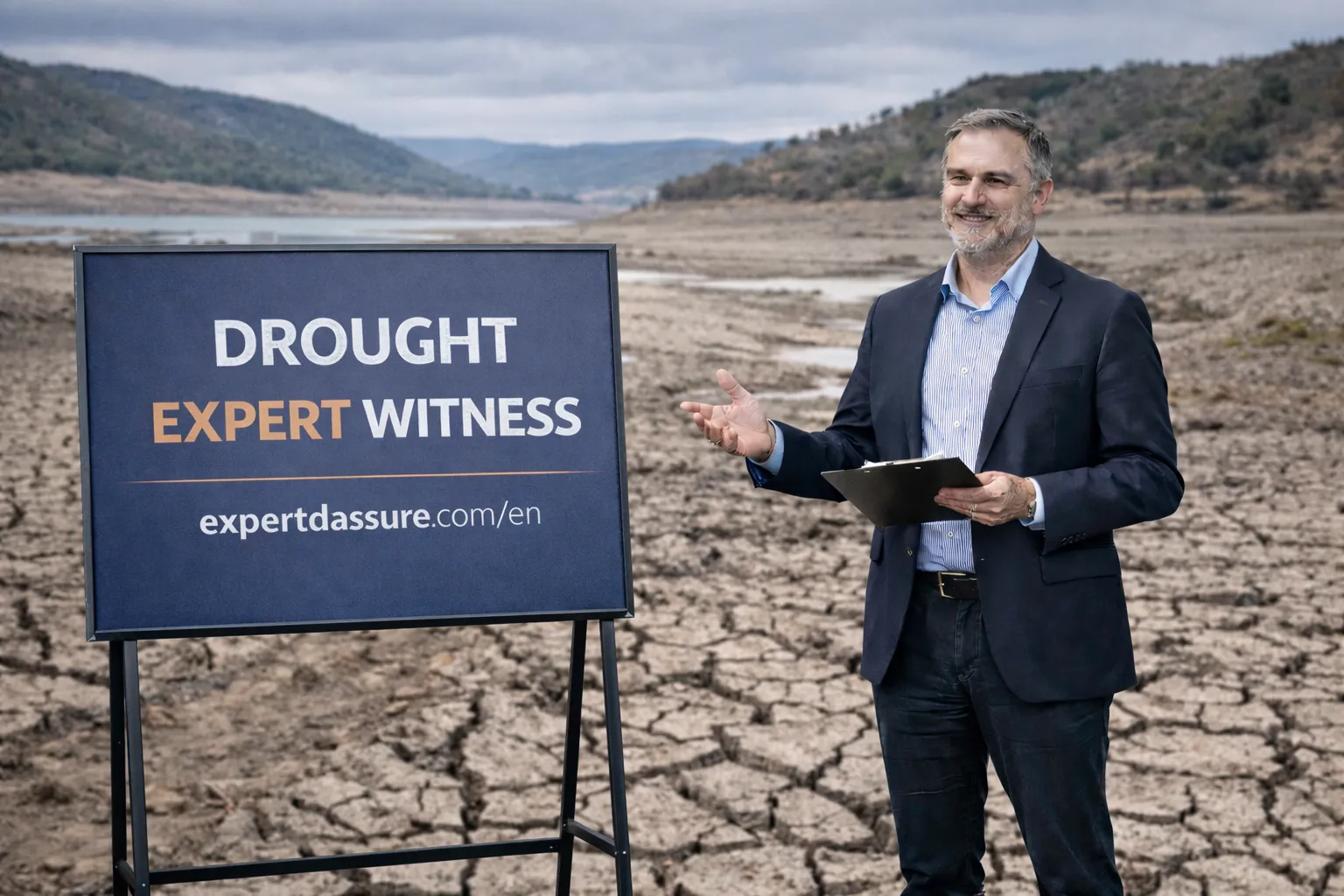
How drought damages property
On shrinkable clay soils, which are widespread in south-east England and in parts of the US such as Texas, prolonged dry weather draws moisture out of the ground. The soil contracts and foundations move, producing diagonal cracks above doors and windows, sticking frames and gaps at skirting boards. Trees and large shrubs close to a building make the effect worse by extracting water from deep layers.
When rain returns, the clay swells again. This seasonal cycle can cause repeated movement, and insurers often ask whether the damage is new or the continuation of an older problem.
Subsidence cover versus settlement and heave
UK buildings policies commonly cover subsidence, heave and landslip, usually with a noticeably higher excess than other perils, the amount being set by each insurer. They typically exclude settlement of new structures, coastal erosion, and movement of solid floors unless the main walls are damaged at the same time. In the US, earth movement is frequently excluded from standard homeowners policies, so cover depends on specific endorsements or on proving that another covered cause, such as a plumbing leak, was involved.
What a structural or geotechnical expert investigates
Proving drought-induced subsidence relies on a sequence of investigations. The engineer maps and dates the cracks, often using crack monitors over several months to see whether movement follows the seasons. Trial pits expose the foundations and soil, and laboratory tests on soil samples measure plasticity and moisture content at depth. Root identification can show whether a particular tree is responsible, which matters for the remedy and for any recovery against a neighbour or local authority who owns the tree.
Drainage surveys are often carried out in parallel, because leaking drains can soften soil and produce similar symptoms. The distinction affects both cover and the right repair.
- Crack pattern survey and monitoring over time
- Trial pits, boreholes and soil laboratory tests
- Root sampling and tree survey
- CCTV drainage inspection
- Rainfall and soil moisture data for the period
Common points of disagreement
Insurers and policyholders often disagree on four questions: whether movement is ongoing or historic, whether it was present when the policy began, whether tree removal or underpinning is the correct solution, and how far cosmetic repairs extend once the structure is stabilised. An independent engineer can review the insurer's site investigation, request additional monitoring and propose an alternative scheme if the insurer's approach appears inadequate.
Where a property has changed hands or insurers, the question of which insurer is liable can arise. In the UK, many insurers follow an industry agreement for switching domestic subsidence claims between them, but the policyholder should still disclose any known history accurately.
Agricultural and business drought losses
Farmers may hold crop or livestock policies with drought or yield cover. In the US, federally supported crop insurance programmes administered through approved insurers include drought among covered causes, subject to their own loss procedures and deadlines. Experts here are agronomists and farm accountants who compare actual yield with insured yield, review planting and irrigation records and exclude losses caused by poor husbandry. Businesses that rely on water supply or river transport may also face interruption losses, but cover usually requires a specific extension.
Timeframes and patience
Subsidence claims are slow by nature. Monitoring alone can last a year or more before an engineer can confirm stability. Policyholders should keep a record of every visit, report and decision, and ask the insurer for its monitoring results. A complaint about delay can be made in its own right; in the UK the Financial Ombudsman Service considers whether an insurer has handled a long-running claim fairly.
Preparing your own evidence
Photograph cracks with a ruler or coin for scale and date each image. Note when doors began to stick and whether symptoms changed after rain. Gather any previous surveys, especially the one prepared when you bought the property, and details of nearby trees, including who owns them. This simple file helps your expert date the movement and rebut claims that it pre-dated the policy.
Is an expert worth it on a drought claim?
When the insurer accepts the claim and proposes a sound repair, an independent expert may add little. When the claim is declined, the insurer proposes cosmetic repairs while movement continues, or underpinning is refused, an independent opinion can change the outcome significantly, given the cost of structural repairs and the effect on resale value.
Organisations offering this service
- Expert Witness Institute (EWI): UK institute supporting expert witnesses, offering membership grades, a podcast and a professional recognition programme including honorary fellowships.
- The Expert Witness Institute (EWI): UK body representing expert witnesses, offering training, membership and professional resources to experts who give evidence in court.
- The Academy of Experts: British professional body for expert witnesses, which has notably issued guidance for experts giving evidence remotely in court proceedings.
- Aspray: UK network of loss assessors handling and negotiating insurance claims on behalf of policyholders, notably after fire, flood and escape-of-water damage.
External links provided for information only; check the terms directly with each organisation.
Frequently asked questions
Is drought itself an insured peril?
For buildings, the insured peril is usually subsidence or heave caused by soil movement, not drought as such. For crops, specific drought cover may exist under agricultural policies.
Will my insurer cut down my tree?
Removing or reducing a tree is often the first remedy proposed. An arboricultural and engineering opinion can assess whether removal risks heave or whether other measures are preferable.
Should I disclose past subsidence when selling or renewing?
Yes. Answer insurer and buyer questions honestly. Non-disclosure can affect future cover or lead to disputes.
Drought damage is gradual, so evidence must be gathered patiently and methodically. expertdassure.com explains which experts to involve and when.