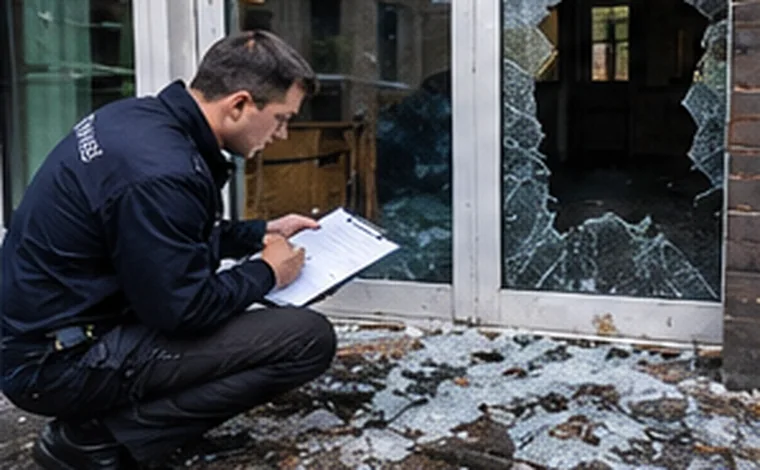
Why property crime claims are scrutinised so closely
Theft claims are among the hardest for an insurer to verify. Unlike a burst pipe or a fire, the loss is mostly invisible: the items are gone, and the only proof of their existence is whatever the policyholder can produce. That is why insurers often send a claims handler, a field adjuster or an appointed loss adjuster to interview the household, inspect the point of entry and test the list of stolen goods against receipts, photos and bank records.
Vandalism and malicious damage sit slightly apart. The damage is visible, but the debate shifts to who caused it, whether the property was occupied, and whether the policy wording treats deliberate damage by tenants, guests or family members differently from damage by strangers.
First 48 hours: steps that shape the whole claim
What you do immediately after discovering the loss is often quoted back to you months later. Insurers expect prompt reporting to both the police and the insurer, and most policies require reasonable steps to prevent further loss.
- Report the crime to the police and keep the crime or incident reference number; many policies make this a condition of cover.
- Photograph forced locks, broken glass, damaged frames and any mess left behind before tidying up.
- Secure the property with temporary boarding or a locksmith and keep the invoices, which are usually claimable.
- Cancel stolen cards and phones and note the time you did so.
- Start a written list of missing items while memory is fresh, then refine it rather than rewriting it.
How the insurer's adjuster approaches the file
The adjuster appointed by the insurer works for the insurer, even when they are courteous and genuinely helpful. Their task is to establish that an insured event happened, that the policy conditions were met and that the amount claimed is supported. On a simple claim this may be a phone interview and a request for documents; on a larger one it can include a recorded statement, a home visit and checks with retailers or second-hand dealers.
Expect questions about who holds keys, whether an alarm was set, when the property was last occupied and how entry was gained. These are not accusations in themselves, but the answers determine whether exclusions apply, so they deserve careful, consistent replies.
Proving ownership and value without every receipt
Few households keep receipts for everything. Adjusters generally accept a mix of evidence: card and bank statements, online order histories, warranty registrations, original packaging, manuals, photos or videos showing items in the home, jewellery valuations and even social media posts. Serial numbers for electronics and bicycles are particularly persuasive.
Valuation is a separate question from ownership. Under a new-for-old policy the insurer usually replaces with an equivalent current model; under an indemnity or actual cash value basis it deducts wear and age. Jewellery, watches, art and collections often need a specialist valuer, and insurers frequently prefer to replace through their own suppliers at a discount rather than pay cash.
Where disagreements usually arise
Most disputes in this area are not about whether a burglary happened but about how the policy wording applies to it. Reading the definitions section is often more useful than reading the headline cover.
- Forced and violent entry: some policies only cover theft where there is visible forced entry, which excludes theft by deception, open windows or unlocked doors.
- Unoccupancy: cover for theft and malicious damage is often restricted once a home has been empty beyond a set period stated in the policy.
- Single article and valuables limits: an expensive item that was never specified separately may be capped well below its value.
- Security conditions: required locks or alarms that were not in place or not activated can reduce or defeat the claim.
- Theft by tenants or lawful visitors: frequently excluded or treated differently in landlord and contents policies.
- Depreciation and matching: disputes over the age of items or replacing only part of a matching set.
Vandalism and malicious damage to buildings
For buildings, the technical part of the claim looks more like any other property damage file: repair scope, contractor quotes, temporary protection and possibly loss of rent. Graffiti, smashed glazing, damaged fixtures and deliberate flooding all need clear photos and a repair specification. A building surveyor or contractor report can help when the insurer proposes a cheap patch repair rather than proper reinstatement.
What an independent claims expert does for you
A public adjuster in the US and Canada, or a loss assessor in the UK, Ireland and Australia, is engaged and paid by the policyholder. In a theft claim their value lies in organising the inventory, sourcing replacement prices, reconstructing proof of ownership, reading the security and occupancy conditions and presenting the claim in a way that anticipates the adjuster's objections. They also handle correspondence, so that statements stay consistent.
Where the dispute is about the amount rather than coverage, some policies contain an appraisal or arbitration-style mechanism, and an independent expert can prepare your side of that process. If the disagreement concerns coverage, the insurer's internal complaints process and then the relevant ombudsman, such as the Financial Ombudsman Service in the UK, the Financial Services and Pensions Ombudsman in Ireland or AFCA in Australia, are the usual routes.
When it is worth bringing someone in
For a stolen bike or a single phone, handling the claim yourself is usually sensible. Independent help becomes more relevant when the inventory is long, high-value items are involved, the insurer has questioned your account, a security or unoccupancy clause has been raised, or a vandalised building needs substantial repairs. Before signing, check the licensing rules in your state or country, the fee basis and whether the expert will take on a claim where the insurer has already made an offer.
Organisations offering this service
- Aspray: UK network of loss assessors handling and negotiating insurance claims on behalf of policyholders, notably after fire, flood and escape-of-water damage.
- Financial Ombudsman Service: Official free dispute resolution service in the United Kingdom, handling complaints from policyholders against insurers, including disputed or rejected insurance claims.
- Chartered Institute of Loss Adjusters (CILA): Chartered UK professional body for claims and loss adjusting professionals, responsible for training, qualifications and standards across the claims profession.
- Noble Public Adjusting Group: Public adjusting firm operating nationwide across the United States, advocating for policyholders on residential and commercial property insurance claims.
External links provided for information only; check the terms directly with each organisation.
Frequently asked questions
Can my claim be refused if I have no receipts?
Not automatically. Insurers usually accept alternative evidence such as bank statements, photos, packaging or online order history. The weaker the evidence, the more likely the insurer is to reduce the value or ask further questions.
Does a police report guarantee payment?
No. A crime reference shows the theft was reported, which many policies require, but the insurer still checks policy conditions, limits and the value claimed.
Is theft from a garden shed or car covered?
It depends on the wording. Outbuildings, gardens and vehicles often have lower limits or specific security requirements, and items stolen from cars are frequently excluded from home contents cover.
Should I give a recorded statement?
You can, but prepare first, stick to facts you are sure of and avoid guessing values or dates. If the claim is large or disputed, consider taking advice before the interview.
Theft and vandalism claims reward organisation: a clear timeline, a documented inventory and a careful reading of the conditions. expertdassure.com recommends assessing early whether the size or complexity of your loss justifies independent support.