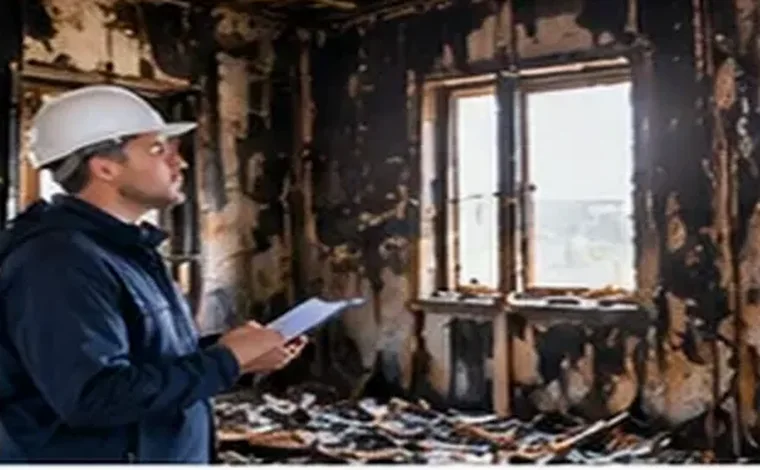
The first days after the fire
Once Fire and Emergency New Zealand has made the scene safe, contact your insurer to lodge the claim and ask about emergency accommodation, which many house policies include for a limited time. Secure the property against weather and intrusion, and do not dispose of damaged items until the insurer has seen them or agreed otherwise.
Request any incident information available from Fire and Emergency and keep notes of who attended, what you were told and when. These early records often become important if the cause of the fire is later questioned.
When the insurer investigates the cause
For significant fires, the insurer may appoint a fire investigator alongside the loss adjuster. This is routine and does not mean you are under suspicion, but the questions can feel intrusive. Answer honestly, keep copies of statements you sign and ask for time to check facts rather than guessing.
If the insurer raises issues such as non-disclosure, building alterations or unoccupancy, consider legal advice. An advocate can help organise documents but is not a substitute for a lawyer where policy avoidance is threatened.
Where fire claims are most often under-valued
Fire damage spreads well beyond the burnt area. Smoke, soot, heat and firefighting water affect parts of the building that may look intact, and insurers' initial scopes sometimes focus too narrowly on the visible damage.
- Smoke and soot contamination in wall cavities, insulation, ducting and roof spaces
- Water damage from firefighting, leading to swelling, mould and electrical issues
- Heat damage to framing, glazing and services in adjoining rooms
- Demolition, debris removal and specialist cleaning costs
- Code upgrades required when large parts of a building are reinstated
- Contents that appear salvageable but retain smoke odour after cleaning
Building and contents: two different exercises
The building claim is assessed through a scope of works, much like other property claims. An advocate checks that the scope covers the full extent of contamination and that rebuild pricing reflects current regional construction costs, consents and professional fees. For large fires, the repair-versus-rebuild decision and the sum insured become central.
The contents claim is a separate inventory. Many families underestimate what they owned. A methodical room-by-room list, supported by photos, receipts, bank statements and online orders, is usually far more accurate than a list drawn from memory in a stressful week. Check whether your policy pays replacement value or applies deductions for age.
Building a convincing inventory
Practical techniques make a big difference to the contents claim.
- Work through each room using photos and videos taken before the fire, including social media
- Search email and bank records for purchases
- Ask family members to list items in their own rooms
- Record brand, model and approximate age wherever possible
- Keep damaged items until the insurer has confirmed they can be discarded
Temporary accommodation and additional costs
Displacement is often the most stressful part of a serious fire. Check the limit and duration of accommodation cover, whether it includes pet boarding, storage of salvaged items or extra travel costs, and what happens if the rebuild takes longer than the cover allows. Keep every receipt and ask the insurer to confirm in writing which costs it will meet directly and which it will reimburse.
Where the home was rented out, loss of rent cover may also apply. Landlords should gather tenancy agreements and rent records early, because these heads of claim are calculated separately from the building scope.
Timeframes and staying in control
Fire claims can take many months, especially when investigation, demolition and rebuild design are involved. Ask the insurer for a timeline and the name of your case manager, and confirm in writing how long temporary accommodation will be funded. The Insurance Council of New Zealand's Fair Insurance Code, which member insurers follow, sets expectations for communication and timely handling that you can refer to.
Avoid signing a settlement or release before you understand what it covers, particularly if contents or additional costs are still being assessed.
Resolving disagreements
Raise disagreements in writing with supporting quotes or reports. If they cannot be resolved, use the insurer's internal complaints process, then the dispute resolution scheme the insurer belongs to, usually the Insurance and Financial Services Ombudsman Scheme or Financial Services Complaints Limited. Large commercial fire disputes may require legal action.
Is an advocate right for your fire claim?
An advocate adds most value when the fire is extensive, when contents are significant, when the insurer is questioning cover, or when you simply cannot manage the claim while dealing with displacement. Choose someone with fire and smoke experience, ask how they work with cleaning and restoration specialists, and agree all terms in writing before work begins.
Organisations offering this service
- Australasian Institute of Chartered Loss Adjusters (AICLA): Professional institute bringing together loss adjusters in Australia and New Zealand, overseeing their qualifications and continuing professional training.
- New Zealand Claims Resolution Service (NZCRS): Free New Zealand government service helping homeowners resolve insurance claim disputes after natural disasters through advice, facilitation and dispute resolution.
- Expert Witness Institute - Medical expert witness services: Page of the UK expert witness institute dedicated to medical expert witness services, aimed at clinicians acting as experts in legal cases.
- La Médiation de l'Assurance: Mediation service for the French insurance sector, publishing a mediator charter and an annual activity report on its handling of disputes.
External links provided for information only; check the terms directly with each organisation.
Frequently asked questions
Will my insurer pay for somewhere to live after a fire?
Many house policies include temporary accommodation cover, often with a time or amount limit. Check your policy and confirm the arrangement with your insurer in writing.
Can I clean smoke-damaged items myself?
Speak to the insurer first. Professional cleaning may be covered, and DIY attempts can sometimes make items unrecoverable or complicate the claim.
Why is a fire investigator involved?
Insurers often investigate the cause of significant fires as standard practice. It helps establish cover and any recovery from third parties, such as an appliance manufacturer.
What if my sum insured is not enough to rebuild?
Under a sum insured policy, the payout is generally capped at the stated amount. An advocate can check whether all available extensions and allowances have been included.
Fire claims are both emotional and technical, and early organisation pays off. expertdassure.com suggests securing records, documenting contents thoroughly and testing the insurer's scope before you agree to any settlement.