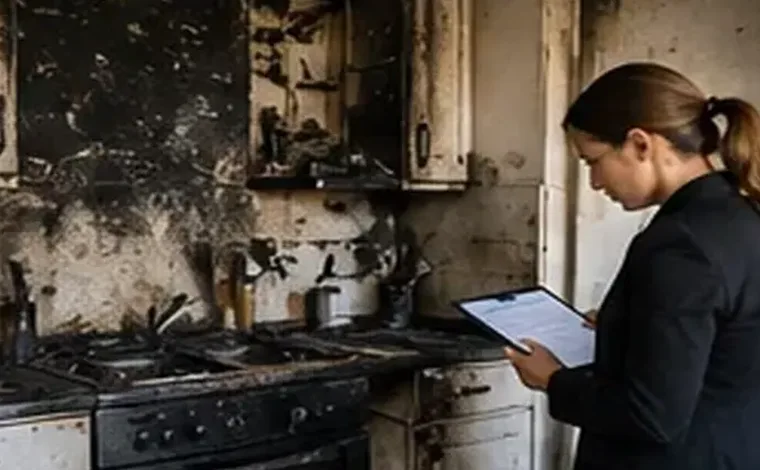
The first 48 hours after the fire
Once the fire and rescue service has made the building safe, contact your insurer or broker and give the basic facts: date, address, what started the fire if known, and whether anyone is injured. Ask for the incident number from the fire service, because insurers usually want to see it, and in some cases a copy of the fire investigation findings.
Take reasonable steps to prevent further damage: board up openings, arrange temporary weatherproofing and switch off utilities if advised. Keep receipts for every emergency expense. Do not throw away damaged contents until they have been photographed and, ideally, seen by the adjuster, since disposed items are much harder to claim.
Who does what on a UK fire claim
For a large fire, the insurer typically sends a loss adjuster, sometimes within a day. The adjuster's role is to establish cause, confirm cover, assess the loss and recommend a settlement. A loss assessor is the professional you appoint to prepare the claim, coordinate contractors and negotiate on your behalf. On commercial fires, both sides may also involve forensic fire investigators, building surveyors and accountants.
- Loss adjuster: instructed and paid by the insurer
- Loss assessor: instructed and paid by the policyholder
- Fire investigator: establishes origin and cause, for either side
- Building surveyor or quantity surveyor: prices reinstatement work
- Restoration contractor: cleaning, smoke and soot treatment, drying after firefighting water
Buildings, contents and alternative accommodation
Household policies generally split cover into buildings and contents, with separate sums insured. Buildings cover pays to repair or rebuild, usually on a reinstatement basis, including professional fees for architects or surveyors and debris removal within policy limits. Contents may be on a new-for-old basis for most items, with exceptions for clothing or linen in some wordings.
If your home is uninhabitable, most household policies pay for alternative accommodation up to a limit. Agree the type and cost of accommodation with the insurer early to avoid later arguments about what was reasonable.
Underinsurance and the average clause
Fire is the peril where underinsurance hurts most, because the loss is often total. If your sum insured was lower than the true rebuild cost or the real value of contents, the insurer may apply an average clause and reduce the settlement proportionally. An assessor will check the rebuild valuation and look for arguments, for example whether the sum insured was set on the insurer's or broker's advice.
Building the evidence file
Strong evidence speeds the claim and reduces the room for argument. Gather it as soon as you can safely access the property, and keep copies outside the damaged building.
- Photos and video of every room, including smoke staining and damaged ceilings
- Fire service incident number and any written report
- Receipts, bank statements, warranties and online order histories for contents
- Earlier photos of rooms showing furniture, electronics and jewellery
- Contractor quotes and a schedule of reinstatement works
- Records of extra costs: hotels, meals, storage, travel
Common disputes after a fire
Insurers sometimes question the cause, especially where there is suspicion of arson, faulty wiring that was not maintained, or a policy condition breached, such as a lack of required fire alarms on a commercial site. Other frequent arguments concern smoke damage in rooms the flames did not reach, whether soot-affected items can be cleaned or must be replaced, and the scope of rebuilding work.
The Insurance Act 2015 limits an insurer's ability to refuse a claim for breach of certain terms that could not have increased the risk of the loss that actually happened, and it sets the duty of fair presentation for business customers. For consumers, disclosure questions fall under the Consumer Insurance (Disclosure and Representations) Act 2012. Ask a specialist if your insurer raises misrepresentation.
Cash settlement or insurer-managed repairs
Insurers may offer to manage repairs through their own contractors, or to pay a cash settlement. A cash sum may be lower than the cost you would face with your chosen builder, because insurers often price it at their own contractor rates. Before accepting, have your assessor or surveyor compare the offer with independent quotes.
If you cannot agree with the insurer
Make a written complaint to the insurer. It generally has eight weeks to send a final response. After that, consumers and eligible small businesses can refer the case to the Financial Ombudsman Service, usually within six months of the final response. The service is free for the complainant and can look at both the decision and the way the claim was handled.
For large commercial fires outside the Ombudsman's scope, disputes are usually resolved by negotiation or mediation, and court proceedings remain a last resort. Keep a dated log of every conversation with the adjuster.
Organisations offering this service
- Chartered Institute of Loss Adjusters (CILA): Chartered UK professional body for claims and loss adjusting professionals, responsible for training, qualifications and standards across the claims profession.
- Aspray: UK network of loss assessors handling and negotiating insurance claims on behalf of policyholders, notably after fire, flood and escape-of-water damage.
- Financial Ombudsman Service: Official free dispute resolution service in the United Kingdom, handling complaints from policyholders against insurers, including disputed or rejected insurance claims.
- Expert Witness Institute - Medical expert witness services: Page of the UK expert witness institute dedicated to medical expert witness services, aimed at clinicians acting as experts in legal cases.
External links provided for information only; check the terms directly with each organisation.
Frequently asked questions
Should I wait for the loss adjuster before cleaning up?
Make the property safe and prevent further damage, but keep damaged items and take full photos before discarding anything.
Can a loss assessor help if my claim is already open?
Yes. An assessor can be appointed at any stage, though earlier involvement usually allows better control of the evidence.
Will my insurer pay for temporary accommodation?
Most household policies include alternative accommodation up to a stated limit, provided the home is uninhabitable because of insured damage.
What happens if the insurer suspects arson?
It may investigate further and delay payment. Cooperate, keep records, and seek legal advice if the claim is declined.
A fire claim is long and emotional, and clear evidence is your best protection. For the cost side of appointing an assessor, see the fire fee guide on expertdassure.com.